Why LED Is the Future of Home Cinema

For decades, projection systems have dominated high end home cinema installations, and for good reason. They delivered large format images long before large format displays were affordable. But that landscape has shifted dramatically. With the latest generation of direct view LED technology now available at price points comparable to premium projectors and screens, discerning homeowners and integrators are rethinking what the ultimate cinematic experience can and should look like.

At the forefront of this shift is the Solara COB LED Cabinet Series, Direct View Solutions’ flagship product designed to bring cinematic quality, performance and design flexibility into residential environments. In this post, we explore the key benefits of LED over projection and why sophisticated installations should increasingly favour this modern approach.

Self-Emissive Brightness and Consistent Picture Quality

One of the fundamental differences between LED and projection is how the image is generated:

Projectors depend on an external light source that must reflect off a screen surface. This inherently limits maximum achievable brightness and makes image quality sensitive to screen gain, projector bulb health and ambient light conditions.

DVLED Displays generate their own light at the pixel level. This self-emissive design provides consistent, brilliant brightness across the entire screen, producing vivid colours and punchy contrast that don’t wash out even in rooms with ambient light present.

For home cinema viewers, this translates into a reliably immersive picture day or night, without the compromise of needing a fully light-controlled environment.

Superior Contrast, Blacks, and Colour Accuracy

Because LED displays emit light on a per-pixel basis, they can achieve very high dynamic contrast. In practical terms:

Dark content stays truly dark because the LEDs responsible for those pixels simply turn off.

Whites and highlights can be exceptionally bright, creating a greater perceived contrast range.

This ability to deliver both deep blacks and bright highlights simultaneously significantly enhancing cinematic image depth. Modern projectors can struggle with black levels since the projected light continues to scatter within the screen surface, especially in challenging room conditions. Ideal for film content where shadow detail can be critical.

Uniformity and Edge-to-Edge Detail

A common projector installation consideration is image uniformity. Due to the nature of optical projection:

  • Brightness and colour can vary from the centre to the edges of a projected image.
  • Slight misalignments, lens imperfections, or bulb aging can introduce subtle shading or colour irregularities.

Direct view LED does not suffer these limitations. The picture is formed directly on the display surface with thousands of individual light-emitting diodes. This means true uniformity across the entire screen, with no fall-off or optical distortion from corner to corner (a benefit especially noticeable on larger installations).

No Bulbs, No Screens, Lower Maintenance

Traditional projection systems have physical constraints:

  • Require space between the projector and screen for image throw.
  • Placement must avoid light obstructions.
  • A dedicated screen surface must be installed and aligned.

By contrast, modular direct view LED solutions are wall-mounted without the need for throw distance, complex placement or a reflective surface. This freedom allows designers to:

  • Choose unconventional or architectural cinema wall shapes
  • Use ultra-thin profile installations that blend into room aesthetics
  • Create uninterrupted visuals that integrate seamlessly into bespoke interiors

The Solara series specifically offers an ultra-compact 28 mm profile and lightweight cabinets, making installation more straightforward and less intrusive while preserving premium visual performance.

Performance That Scales With Size — Without Loss of Quality

One argument that’s often made in favour of projectors is the ability to achieve very large image sizes at comparatively low cost. However, modern LED displays have closed this gap:

Modern Pixel-pitch options mean displays can be scaled to very large sizes without compromising on resolution or clarity.

Because each pixel emits light individually, scaling up does not introduce the same optical penalties that projectors can encounter. For homeowners who want both large screen experience and premium image quality, this is a defining advantage of LED.

Reliability, Durability and Long Lifespan

Finally, while many premium projectors can deliver excellent performance, their mechanical complexity (including cooling systems, lamps etc) introduces more points of potential failure than solid-state LED modules. On the other hand:

LED displays are robust, resistant to environmental factors and generally require far less intervention over time.

With rated lifetimes upwards of 100,000 hours, LED solutions provide years of cinematic performance before any component approaches end of life.

Conclusion: Rethinking Home Cinema Displays

The high-end home cinema market is evolving. While projectors still have a foothold  especially in ultra-large, low-cost environments. Modern direct view LED displays have matured into a viable and often superior alternative for discerning cinema enthusiasts and integrators.

Direct View Solutions’ Solara COB LED Cabinet Series embodies what cutting-edge LED can achieve: stunning image quality, flexible installation, low maintenance and a sleek aesthetic that complements luxury spaces. If long-term performance, image fidelity and installation freedom matter in your home cinema design, LED Displays deserve serious consideration.

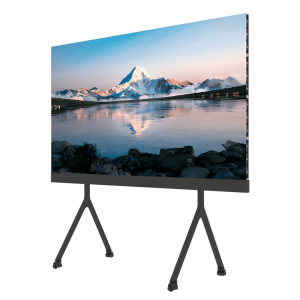
Now Available: The Vistara All-in-One LED Display

We’re proud to announce the launch of our latest product coming to our range of LED offerings, the Vistara All-in-One COB LED Display from Direct View Solutions. Built to meet the demands of modern business environments, Vistara combines exceptional image quality, robust performance and a streamlined installation process into a single, elegant display solution.

Key Features:

  • Advanced Colour Processing
  • All in One (Plug & Play) Solution
  • Mobile or Wall Mounted
  • Interactivity (Touch Screen)
  • Multi Device Split Screen

Available in three sizes 108″, 136″, and 163″  the Vistara Series is designed to make a big impact, whether it’s in the boardroom, an executive meeting space, classroom, showroom or corporate event environments. The displays are available in both 2K and 4K resolution delivering vibrant, ultra-clear visuals no matter the setting.

Plug-and-Play Simplicity Meets High-End Performance

What sets the Vistara range apart is its true all-in-one design. Unlike traditional LED video walls that require external processors, control systems and AV other integrations. The Vistara is built to be plug and play everything is integrated into the display itself and can be used more like a traditional display or smartboard.

From the sleek chassis to the embedded software and control hardware with Vistara everything is included as standard. That means faster installation, fewer components to manage and a cleaner, more refined aesthetic (ideal for businesses that value both performance and presentation).

Designed for Interaction and Flexibility

The Vistara Series isn’t just about looking good, it’s also smart and interactive. Each model features touchscreen functionality, enabling teams to present, collaborate and annotate with ease. Whether you’re delivering a high-stakes pitch or running an internal strategy session, Vistara makes interaction seamless.

Running on Android OS, the display offers access to familiar apps, content, and tools without needing additional devices. You can browse the web, access cloud platforms, launch presentations and more… all from the display itself.

For teams and presenters working across multiple devices, Vistara also supports split-screen viewing from up to four sources at once. That means multiple participants can share content simultaneously, making collaboration more dynamic and inclusive.

A Word from Our Technical Director

“The Vistara Series combines simplicity with the same high quality LED technology our customers have come to expect from us. Vistara is a powerful, all-in-one solution that we know our corporate clients will love,” says Ben Chessum, Technical Director at Direct View Solutions. “It brings together the reliability of COB, interactive features and a sleek integrated design to create a truly premium display experience.”

Ready to Learn More?

The Vistara All-in-One LED Display Series is available now. To explore the full specifications, download data sheets, or request a demo, visit the link below.

LED vs Traditional LCD Video Walls

In the world of digital signage and large-format displays technology is advancing so quickly it can sometimes feel as though it’s hard to keep up. For years, LCD (or traditional) video walls have been the go-to solution for creating impactful visual experiences. However, with the rise of LED Displays and DVLED technology there is increasing interest in using them as a direct replacement for traditional setups. But how do LED displays measure up against their LCD counterparts? In this post we will compare the two technologies across several key factors to help you understand whether LED displays are the right choice for your next video wall installation.

Seamlessness and Visual Impact

One of the primary advantages of LED displays is their ability to create truly seamless visuals. LCD Video Walls are made up of individual screens that are joined together to form a larger display. Despite advancements in bezel technology (which has reduced the thickness of the borders around each screen) there is still a visible gap between the panels. This bezel creates a disruption in the image which can be distracting. Particularly in applications like command centers, advertising or entertainment.

LED displays on the other hand are composed of tiles that fit together with no visible seams. This allows for an uninterrupted image, creating a more immersive and professional visual experience. For applications where a seamless display is critical such as luxury retail, digital art installations or high-end presentations LED Video Walls offer a significant advantage over LCDs.

Brightness and Contrast

When it comes to brightness LED displays outperform their LCD counterparts by a large margin. LEDs emit light directly, making them capable of achieving higher brightness levels without the need for backlighting. This is particularly important for environments with high ambient lighting, such as outdoor venues, lobbies or airports. LED displays are capable of maintaining their visibility even in bright sunlight.

Additionally, LED displays offer superior contrast ratios with deeper blacks and more vibrant colours. This is because LEDs can turn individual pixels on and off, resulting in a greater dynamic range. LCDs on the other hand, use backlit technology which can sometimes cause blacks to appear washed out. For applications where colour accuracy and contrast are paramount such as broadcast studios or content creation spaces, LED displays provide a clear advantage.

Viewing Angles

Viewing angles are another area where LED displays have an edge over LCD video walls. While LCDs tend to lose colour fidelity and brightness when viewed from extreme angles, LED displays maintain their visual quality regardless of the viewer’s position. This makes them ideal for environments where viewers will be moving around or viewing the display from various positions such as sports arenas, museums and large conference rooms.

Durability and Maintenance

LED displays are known for their durability, especially in comparison to LCD video walls. LCD screens are more vulnerable to impact damage, pressure points and scratches while LED displays are generally more rugged. This makes LEDs a better choice for installations in high-traffic areas or environments where physical impact could be a concern.

Maintenance is also a key consideration when evaluating these two technologies. LCD video walls often require regular servicing due to issues like colour calibration, backlight degradation and potential panel replacements. LED displays on the other hand typically have a longer lifespan with individual LEDs rated to last tens of thousands of hours. Additionally, modern LED displays are designed for easy servicing, with individual tiles being replaceable without the need to dismantle the entire wall. That is why we always suggest keeping a gold stock of spare panels so your display can be back up and running again with minimal downtime.

Energy Efficiency

Energy efficiency is a growing concern in many industries and this is another area where LED displays excel. While both LCD and LED technologies have made strides in reducing energy consumption LED displays are generally more energy-efficient because they don’t require a backlight. LEDs emit light directly, consuming less power to achieve higher brightness levels than their LCD counterparts.

This lower power consumption not only translates into reduced operating costs but also contributes to a smaller environmental footprint—an increasingly important factor for businesses and organisations looking to meet sustainability goals.

Cost Considerations

While LED displays offer numerous advantages over LCD video walls the upfront cost of Direct View LED technology is often much higher. This has historically been one of the major barriers to widespread adoption, especially for smaller businesses or organisations with limited budgets. However, the price gap between the two technologies has been narrowing over recent years as LED manufacturing has become more cost-efficient.

It’s also important to consider the total cost of ownership (TCO). While LCD video walls may have a lower initial cost, the higher maintenance requirements, shorter lifespan and energy consumption can lead to higher long-term costs. For larger installations or long-term projects the energy efficiency and durability of LED displays can make them a more cost-effective solution over time.

Customisation and Flexibility

When it comes to customisation and flexibility, LED displays offer more versatility than LCD video walls. LEDs can be built to any size or shape and their modular design allows for creative installations that are not restricted to standard screen dimensions. Curved displays, 3D installations, and even cylindrical video walls are all possible with LED technology.

In contrast, LCD video walls are typically limited by the size and aspect ratio of the individual panels, making them less flexible for non-standard or highly creative projects.

Conclusion: LED or LCD?

When deciding between LED displays and LCD video walls it ultimately comes down to the specific needs of your project. If you require a seamless, high-brightness, and energy-efficient solution with superior durability and a long lifespan, LED displays are the clear winner. They offer more flexibility in terms of design and provide a more impactful visual experience.

However, for projects with tighter budgets or where the absolute highest visual quality is not critical, LCD video walls may still offer a cost-effective and reliable option. As LED technology continues to evolve and become more affordable, it’s likely that we’ll see even more widespread adoption of LED displays as the preferred choice for large-scale video installations.

If you have any upcoming requirements for DVLED Video Walls or more traditional AV Integrations don’t hesitate to get in touch with our team of Audio Visual Experts.